

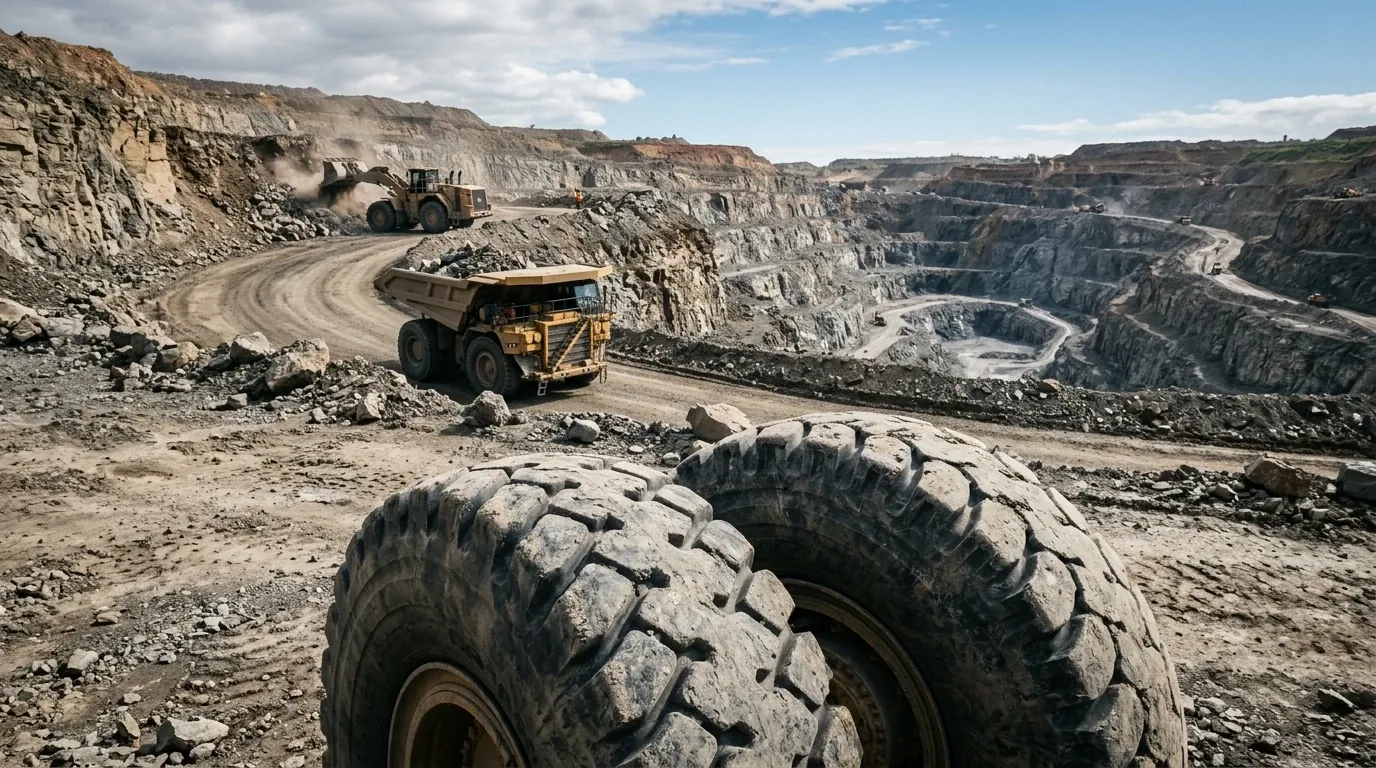
Which machines use OTR tyres?
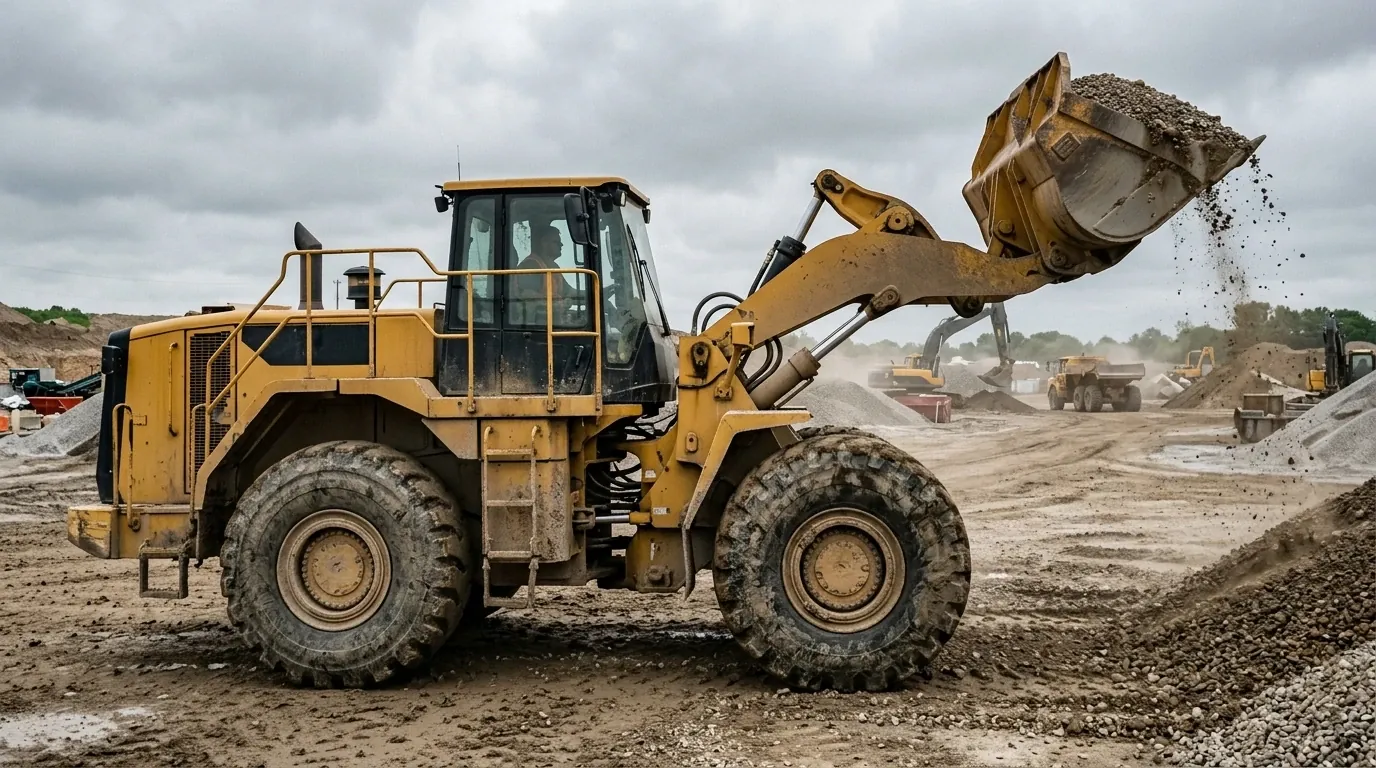
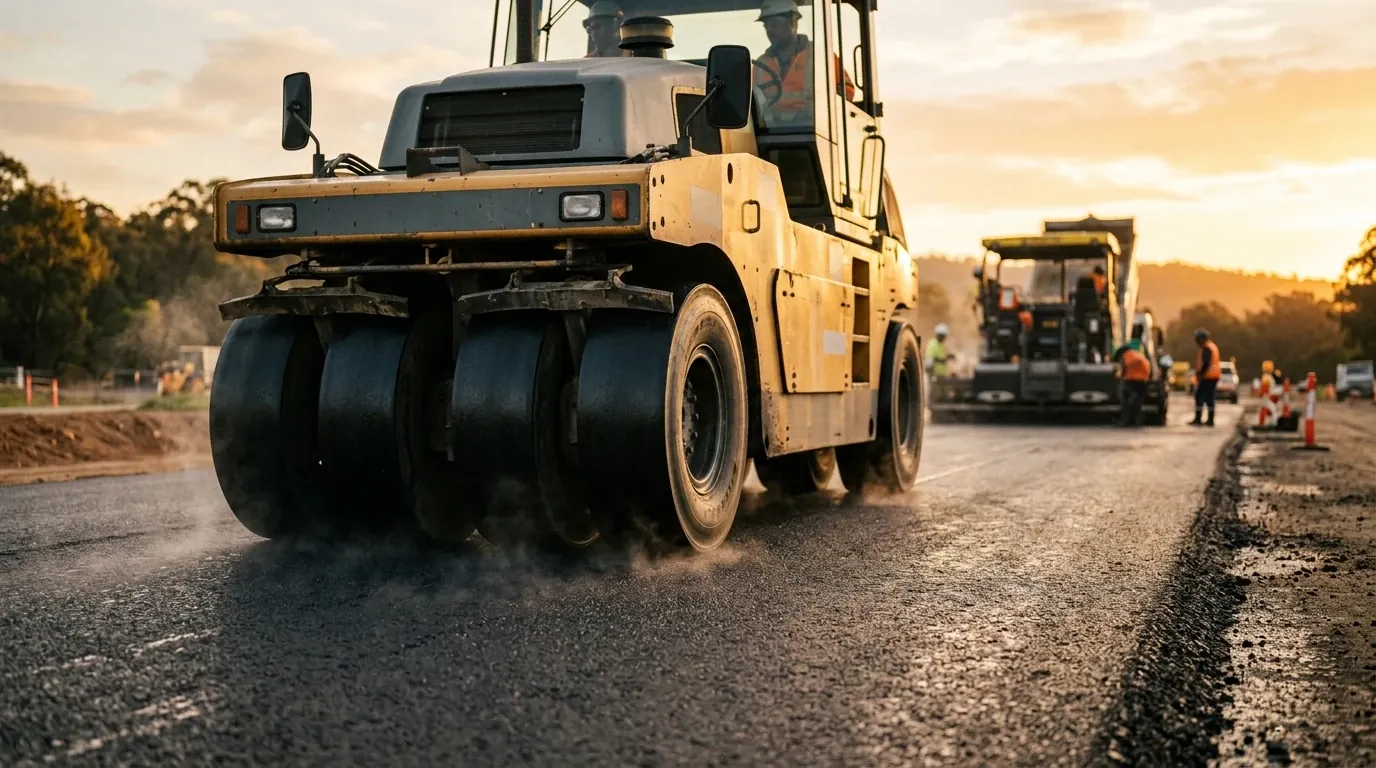
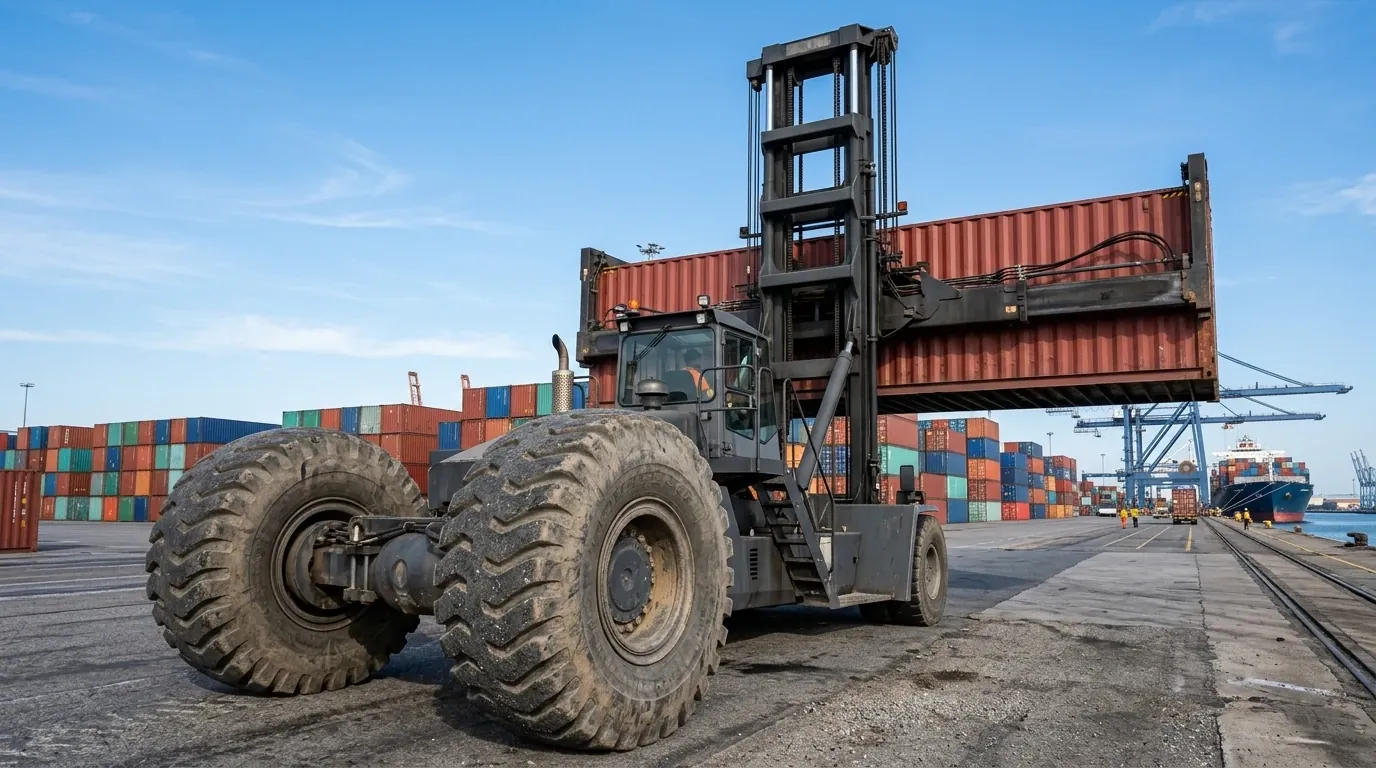
OTR tyres serve equipment working in mines, construction sites, ports and material yards. The table below groups common machine types with the tyre sizes currently in the Advance Tyre catalogue.
| Machine group | Radial tyre size | Bias tyre size |
|---|---|---|
| Rigid dump truck | 21.00R33, 24.00R35, 27.00R49 | 18.00-33, 24.00-35 |
| Wheel loader | 17.5R25, 20.5R25, 23.5R25 | 17.5-25, 20.5-25, 23.5-25, 26.5-25 |
| Wheeled crane | 385/95R25, 445/95R25 | — |
| Grader, construction vehicles | 14.00R24, 14.00R25 | 14.00-24, 14.00-25 |
| Pneumatic-tyred roller / compactor | — | 11.00-20, 14/70-20 (C-1 tread) |
These are the sizes listed in the catalogue, not a limited list: a specific machine still needs to be checked against the tyre size stated in the machine manufacturer’s documentation.
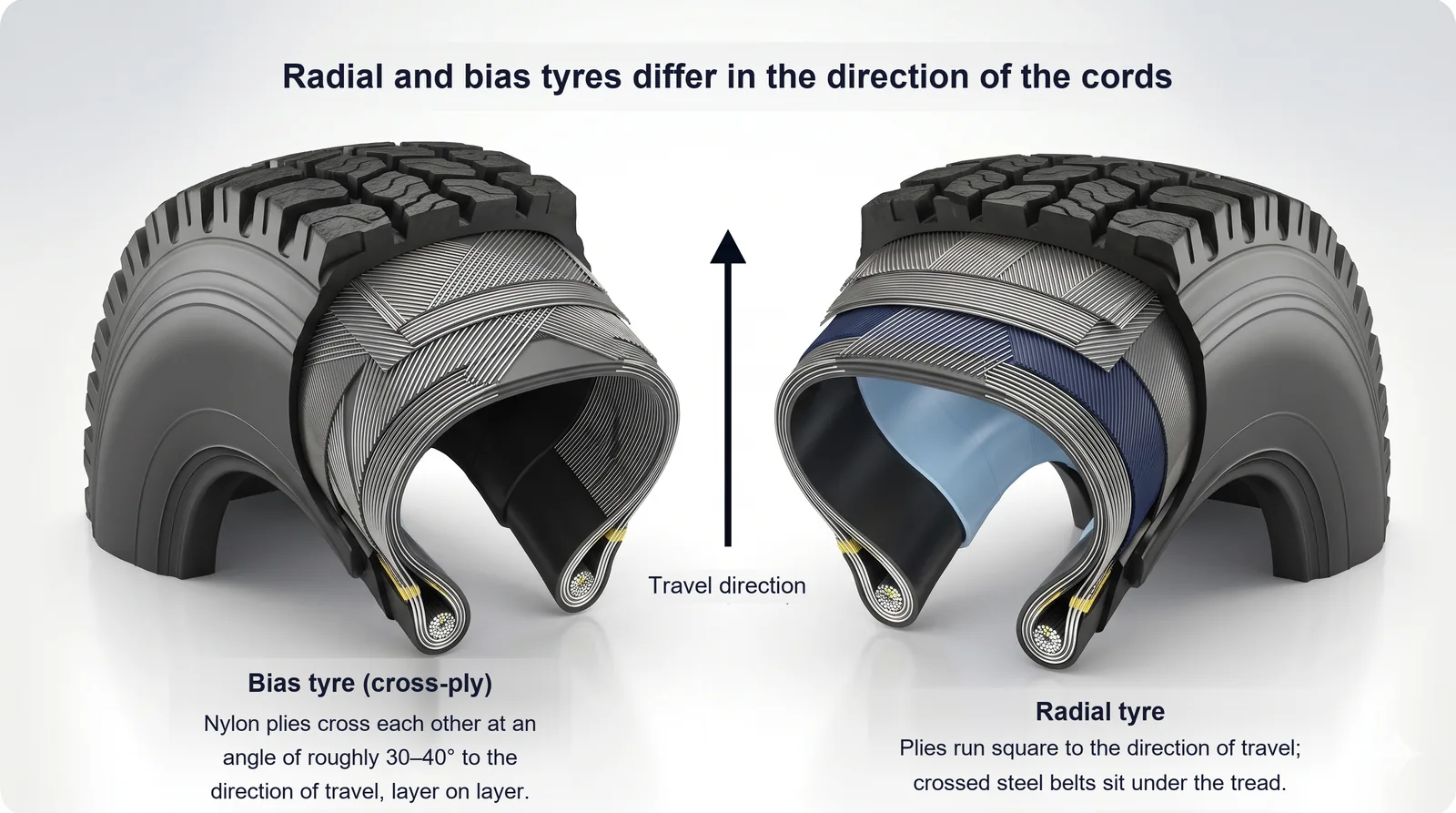
How do OTR radial and bias tyres differ?
| Criteria | OTR radial | OTR bias |
|---|---|---|
| Structure | Radial casing with steel belts under the tread | Nylon cross-ply casing |
| Heat generation | Lower, suited to long-distance continuous hauling | Higher under continuous running |
| Sidewall | Softer, with better ground grip | Thick, resists impacts and momentary overloads |
| Common sizes in the range | Rigid dump trucks, large-scale equipment | Wheel loaders, rollers/compactors, port equipment |
Reading the E, L, G codes and star ratings on OTR tyres
For tread codes of the E-3, L-5, G-2 type under the general OTR tyre convention, the first letter shows the machine type: E for earth-moving transport equipment (such as dump trucks), L for wheel loaders and G for graders. The number that follows shows the tread type; higher numbers, such as 4 or 5, are deeper rock treads. Guizhou Tyre bias codes such as E-3C, E-4J, L-3K, L-5K and G-2E follow this convention. Radial lines such as GLR09, GLB05 and ART are the manufacturer’s product-line names, so check the specification table of each size to see its application.
For OTR radial tyres, the star rating (*, **, ***) corresponds to different pressure and load levels in the manufacturer's load table. For example, according to the Guizhou Tyre OTR Radial 2026 catalogue, the GLR09 PRO 16.00R25 carries 6,000 kg at 550 kPa (1 star), 7,300 kg at 700 kPa (2 stars) and 8,000 kg at 800 kPa (3 stars). Always check the load against the table for the exact size.
Choosing OTR tyres by working conditions
- Machine type and fitment position: rigid dump trucks, wheel loaders, graders, wheeled cranes and rollers each need different tread groups and sizes.
- Road surface: sharp rock ground requires tread patterns and compounds that resist cutting; hot asphalt requires smoother tread so that it does not leave marks.
- Load and haul distance: the load per tyre and the continuous running distance determine the star rating, the ply rating and whether to choose radial or bias.
- Pressure and daily checks: under-inflated OTR tyres wear out much faster than road tyres; check the pressure when the tyres are cold, before the shift starts.
- Replacement planning: order in sets (same tread pattern and the same wear level on each axle) so that the load is distributed evenly.
What does the price of OTR tyres depend on?
The website only accepts quotation requests and does not list prices, because OTR tyre prices vary by project. The main factors that determine the price are tyre size, radial or bias, star or ply rating, tread pattern and compound, order quantity, delivery location and stock availability at the time of quotation.
Frequently asked questions
- What is an OTR tyre?
- OTR stands for Off-The-Road, referring to tyres for vehicles and equipment working off paved roads, such as rigid dump trucks, wheel loaders, wheeled cranes, graders, rollers and port equipment.
- How do OTR tyres differ from TBR tyres?
- TBR tyres are used on trucks and buses running on paved roads and are optimized for long distance and fuel economy. OTR tyres are for machines working on rock and soil, with different sidewalls, tread patterns and design loads. See also What is a TBR tyre.
- Should a wheel loader use radial or bias tyres?
- Both are used. Bias has thick sidewalls and tolerates impact well; radial runs cooler in continuous hauling. The choice depends on the sizes available for the machine, the working surface and the haul distance.
- Do you deliver OTR tyres to mines and construction sites?
- Please state the delivery location in the quotation request; the sales team will confirm the delivery range, time and cost.
- How long does it take to get an OTR tyre quotation?
- Quotation requests are answered within 24 working hours.
Need a tyre quotation?
Send your sizes and quantities and our sales team replies with a project quotation within 24 working hours.
See also
 TBR
What is a TBR tyre?
Structure, classification, tread codes and how to choose a radial truck tyre.
Read the guide → SIZE
How to read truck tyre markings
Explains 11.00R20 18PR 152/149K: rim, ply rating, load index, speed.
Read the guide → PSI
Truck tyre pressure
The right pressure, how to check it, and a reference pressure table.
Read the guide →